Restrictive vs. Nonrestrictive Clause: How to Use Them Correctly.
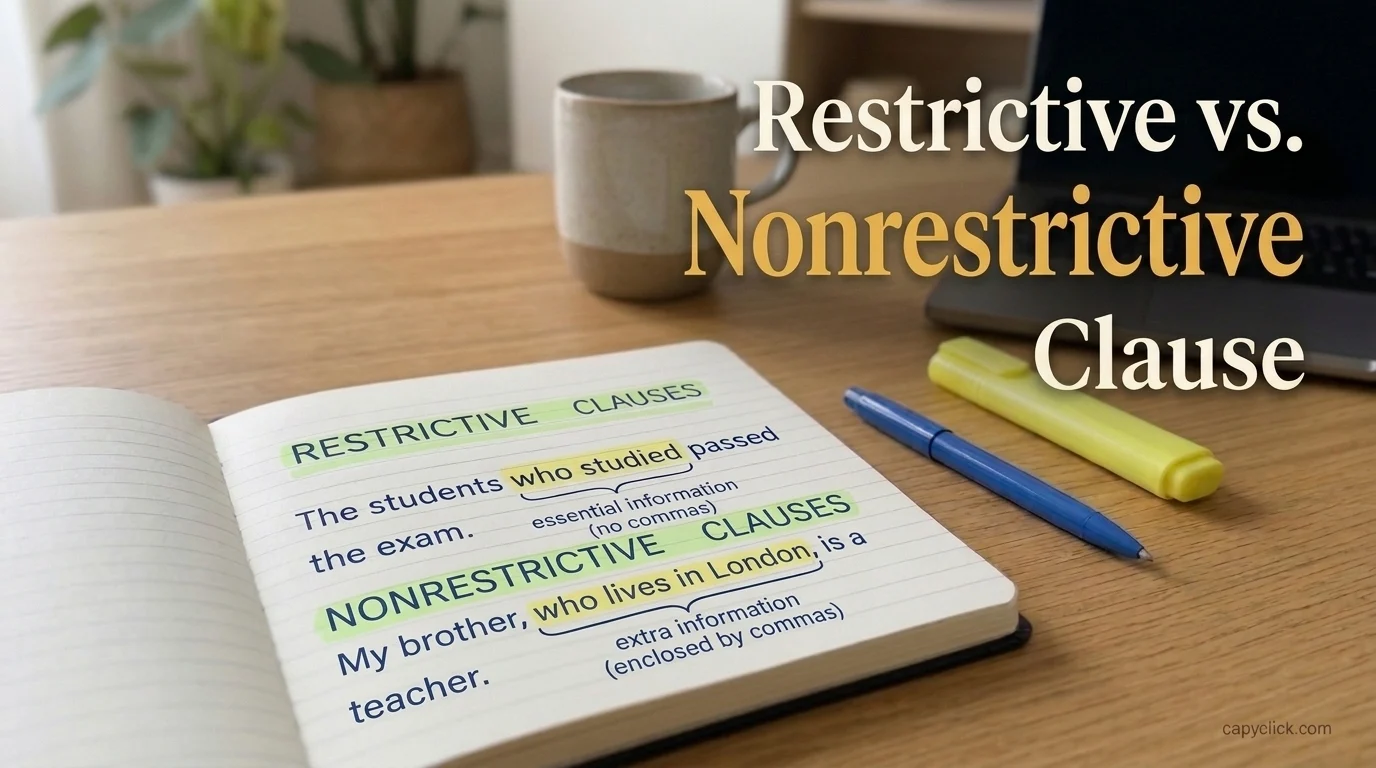
Understanding restrictive vs. nonrestrictive clauses can be confusing, especially when choosing between which and that or deciding whether a sentence ...
Read more
Wait vs. Weigh: Understand the Difference in English.
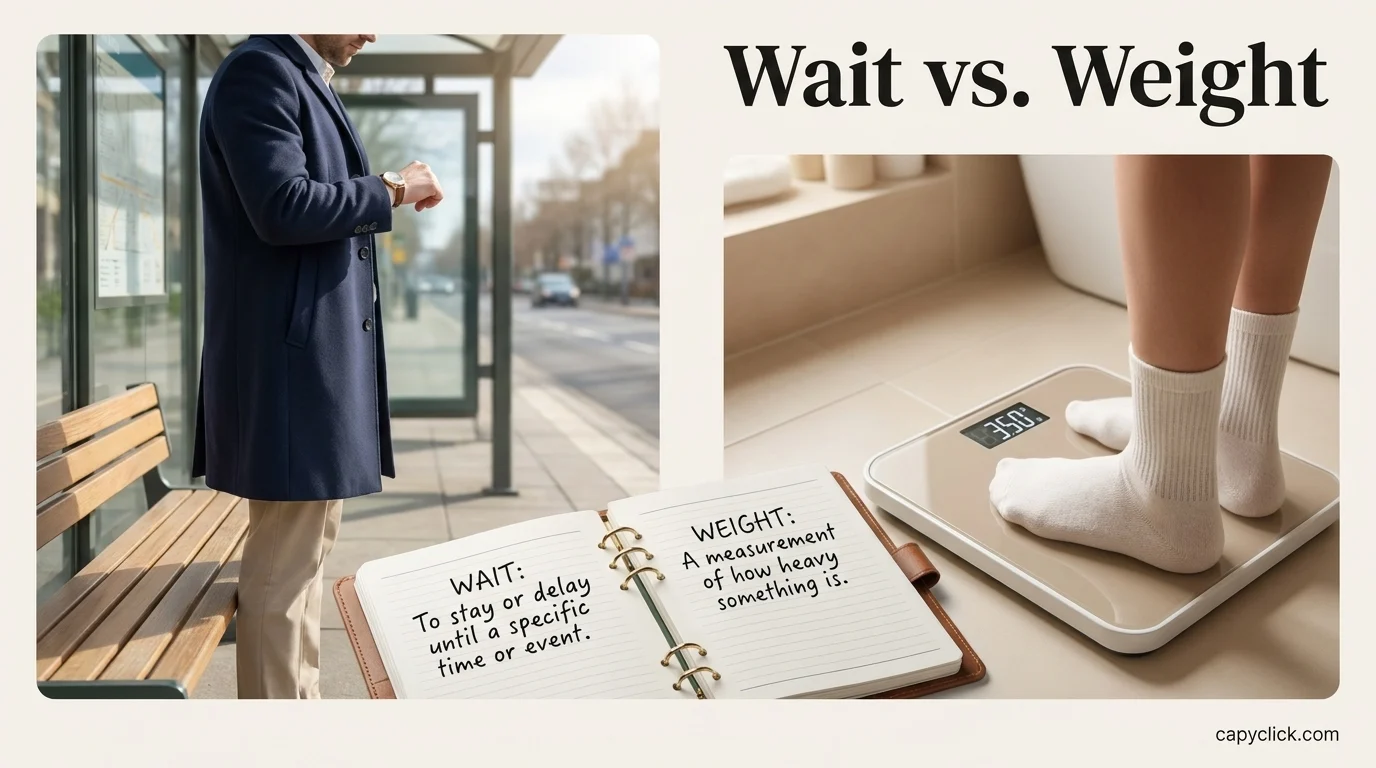
Have you ever been confused about whether to write wait or weight? These two English words sound exactly the same, ...
Read more
Be Patient vs Have Patience: Meaning, Difference, and Examples

Should you say be patient or have patience? Both expressions are correct English, and both are used when someone needs ...
Read more
Herself vs Herselves vs Her-Self: Which Spelling Is Correct
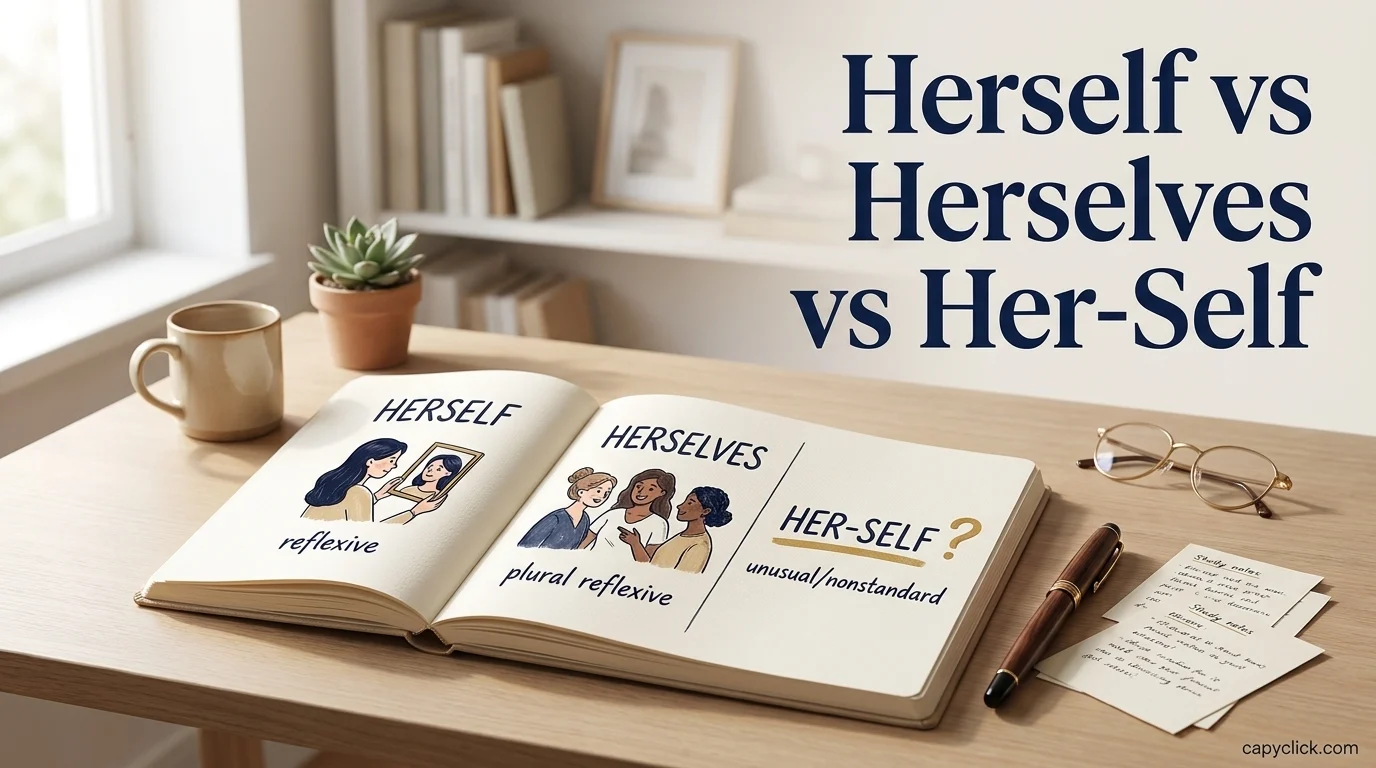
Have you ever paused while writing and wondered whether the correct form is herself, herselves, or her-self? These expressions look ...
Read more
Sorry to Bother You vs. Sorry for Bothering You Explained

Have you ever wondered whether to say “Sorry to bother you” or “Sorry for bothering you” when asking someone a ...
Read more
Snowball Effect Explained with Simple Examples.
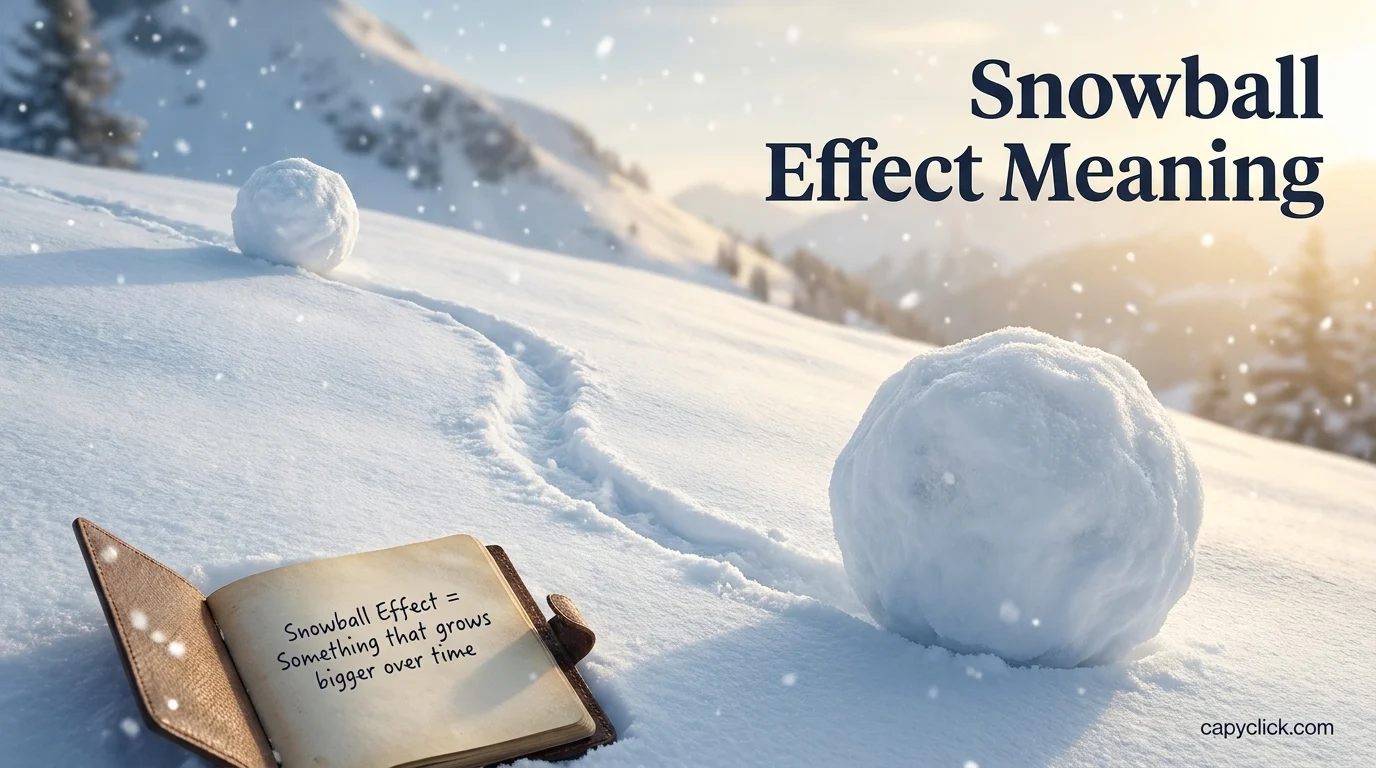
The snowball effect is an English expression used when something starts small and gradually becomes bigger, stronger, or more serious ...
Read more
Over the Top: Meaning, Synonyms, and Examples

Have you ever heard someone describe a reaction, outfit, speech, or celebration as over the top? This common English idiom ...
Read more
Gerund Phrase: Definition, Examples, Rules, and How to Identify It

A gerund phrase is a group of words that begins with a gerund and functions as a noun in a ...
Read more
How to Spell Boyfriend Correctly: Boyfriend vs. Boy Friend.

However, the difference between a boyfriend and a best guy friend goes beyond spelling. It also involves romantic feelings, physical ...
Read more
Flew vs. Flown: Learn the Difference in Easy English.
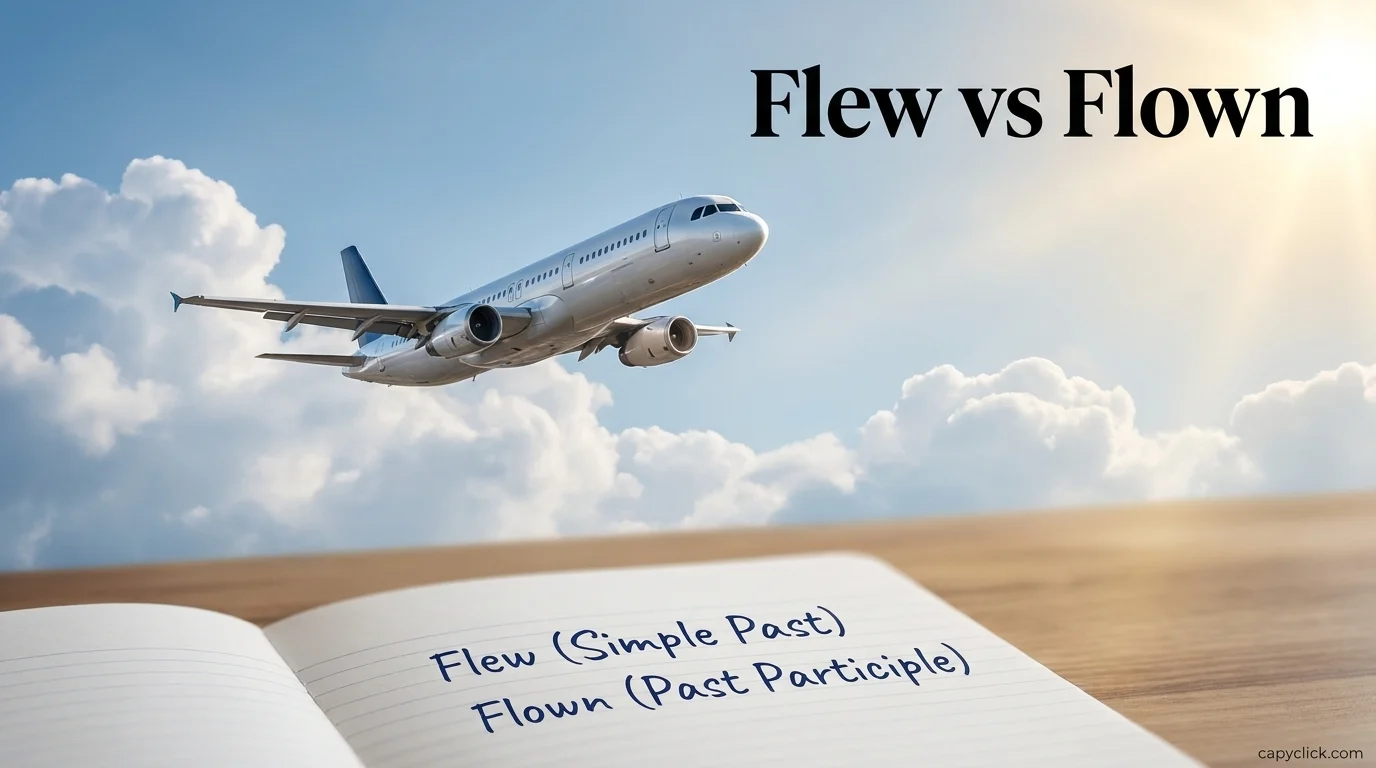
Have you ever wondered whether to write “I flew to London” or “I have flown to London”? Both sentences are ...
Read more